
Certain social media trends are more effective than others at accomplishing a goal. Take the ALS Ice Bucket Challenge from 2014 – a simple social media trend that went viral helped to raise $115 million dollars for ALS research, according to the ALS Association. Not only did this trend lead to increased awareness for ALS, something the majority of people wouldn’t have known about before the viral posts, but it raised significant money that has had groundbreaking effects on the research of the disease and hopeful future cure. Talk about effective!
Other trends have similar success with raising awareness but haven’t quite had the same success with raising money or leading to “user mobilization.” Mobilization is defined in Strategic Social Media: From Marketing to Social Change as “the process by which candidates, parties, activists, and groups induce other people to participate” (p. 62). In other words, user mobilization is the way that advertisers and influencers motivate their followers to take action. For the ALS Ice Bucket Challenge, the action was to either pour ice water over your head or else donate to the organization. There was a clear message about what you should do to participate.
One such trend that hasn’t done as well with user mobilization is the breast cancer awareness meme. Similar to the chain email requests of old, this “meme” sought to bring about awareness for Breast Cancer Awareness Month. Strategic Social Media summarizes the trend where women would send a Facebook message to other women encouraging them to participate. Participation was easy – just post a new status with just your name and the color of bra you’re wearing at the time. So the status would just say “Reagan, black.” The idea was that men would be confused as to why their female friends were posting these status updates, thereby raising awareness for breast cancer.
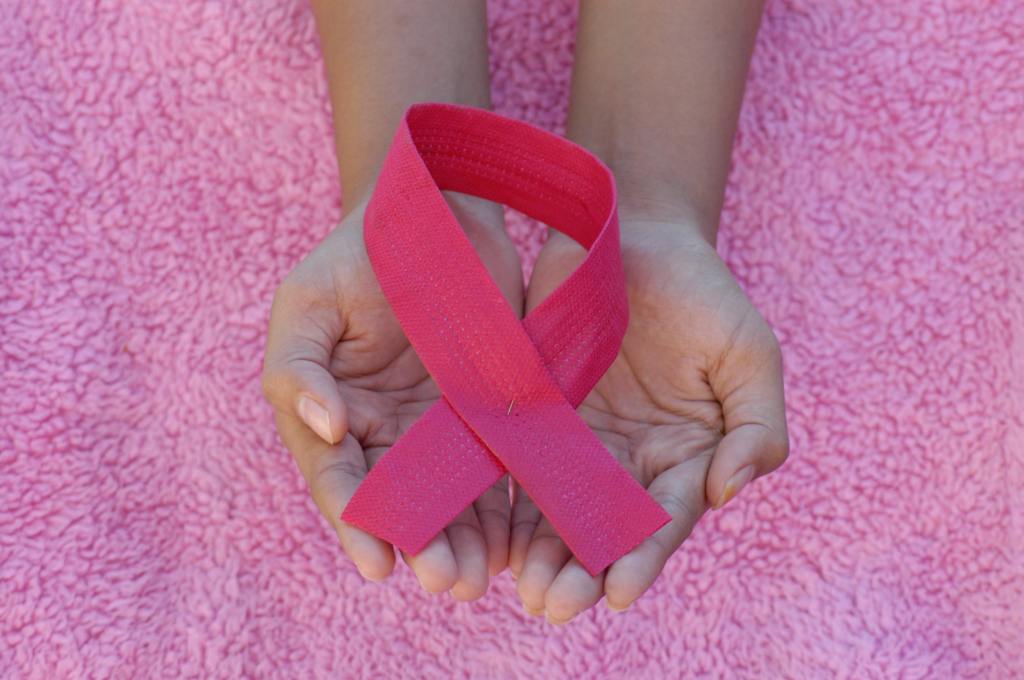
Though the meme itself went viral, it fell short of accomplishing its goal of user mobilization. The ultimate goal was unclear, and the very nature of the secretive messages meant to confuse men meant that half the audience who saw the meme was not going to understand the meaning behind it. This is not only an issue for the women in these men’s lives, but for the men themselves. According to the American Cancer Society, about 2,800 men in the United States will be diagnosed with invasive breast cancer while about 530 men will die from breast cancer in 2023.
So essentially, while the meme did raise some awareness among women and a little among men, it did more for satisfying a feeling of social obligation than it did truly raise awareness of the disease or funds for its research. Strategic Social Media put it this way: “these types of memes allow individuals who want to help spread breast cancer awareness to put their efforts into a vague Facebook status instead of something more useful to the cause” (p. 73).
So the next time you’re putting together what you hope to be the next viral trend, make sure that there is a clear action you’d like your audience to take – and that the trend works to spread awareness effectively.
Featured Image by Giorgio Trovato on Unsplash
 Reagan Writes