
One of the most critical parts of any successful social media campaign is understanding your audience. If you know what they want, need, and believe, you can influence them in a way that transforms them from a passive audience to an active user. According to Strategic Social Media: From Marketing to Social Change, “knowing your audience’s tastes, interests, and motivations is the first step towards a successful social media endeavor” (p. 95). So what does Weixin have to do with this?
What is Weixin?
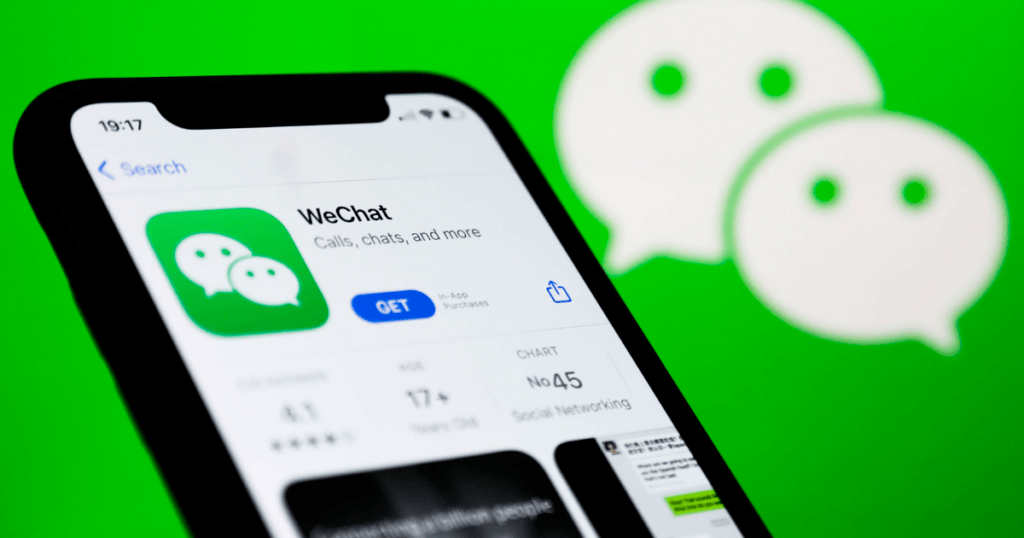
Weixin (pronounced “way-shinn”) is “one of China’s most influential social media platforms,” and is known here in the United States as WeChat (WeChat VS Weixin, an Essential Guide for Marketers). Though they exist on different servers and have slightly different features, Weixin and WeChat are largely the same application geared towards different areas.
What sets Weixin apart from other social media platforms is their approach to becoming an all-inclusive social hub where users can get everything they’re looking for from an online presence. They’re able to share photos with friends, message privately, and even order a cab.
The Weixin Way

This approach to building a brand is not new, but having a successful all-in-one social platform is. Other social media giants have tried to provide services other than their normal content sharing channels but haven’t always been super successful. Facebook launched their own dating service, aptly named Facebook Dating, which went live in the US in late 2019. Though it blasted advertisements to all of its users, Facebook Dating was only able to claim 7% of the single population in New York City, according to this Verge article.
Perhaps Facebook’s dating app is not as successful as they thought it would be because they didn’t understand their audience and what they wanted.
Weixin, however, is constantly testing new products within their platform and seeks to keep all of their content within the Weixin app. External links are a thing of the past, all articles, payments, services, and more take place within the Weixin app so the user never has to leave the app. Not only does this instill confidence, but it keeps Weixin from losing the users to other applications they would use for, say, hailing a taxi.
At the end of the day, Weixin understood the assignment. Referencing back to Strategic Social Media, “when your social media product becomes a part of people’s daily life, it will be easier for you to make a behavior change, whether this behavior is a purchasing decision or a positive social change, starting with an audience analysis.” (p. 94).
Understand what your audience wants! Then go from there.
 Reagan Writes
Hi Reagan!
I enjoyed reading your blog! I especially liked how you designed the format with short paragraphs with a very informative aspect and how you broke them up with pictures. I felt it had a great flow to keep us as readers interested and easy to follow. A little side note overall I love the format of your profile as well. I too believe that the creators of Weixin truly understood the assignment and they took every advantage of it. They can fulfill the needs of their audience by allowing them to perform daily activities through this one app. I definitely feel I could benefit from an app like this. Weixin makes it convenient for users to explore other applications without having to click in and out of other apps which tends to be time-consuming but with this application a good amount of that time is eliminated. The example you used of Facebook introducing a dating feature is a great way to show that not all apps can be efficient in creating this “one app for all” type of thing. When I hear Facebook, I think of an app where I can interact with friends and family along with sharing experiences. The last thing I think of when it comes to Facebook is a dating app. What do you think Facebook could do differently to improve this feature? Overall, your post was very informative, and I truly enjoyed reading it!
LikeLike